Cutting Problem Solved: High Hardness Alloy Processing, Why Does Emulsified Oil Become a "Protective Shield" for Cutting Tools?
In the field of metal processing, emulsified oil and cutting fluid are key auxiliary materials that directly affect processing quality, efficiency and cost. Although the two are similar in appearance and use, there are significant differences in composition, performance, application scenarios and environmental protection maintenance. This article will conduct an in-depth analysis from four dimensions to provide enterprises with a scientific selection reference.
1、Ingredient composition: basic formula determines core properties
Emulsified oil is centered around base oil and emulsifier: the former lays the foundation for lubrication performance, and the oil quality directly determines the lubrication ability; the latter, through a special chemical structure, achieves uniform mixing of oil and water to form a stable milky white emulsion.
Cutting fluid is mainly water, which builds an efficient cooling system. At the same time, functional additives such as lubricants, rust inhibitors, and fungicides are added to meet diverse processing needs. Compared with emulsified oil, its component system is more complex and its functions are more complex.

2.Performance: The Expertise of Lubrication and Cooling
A. Emulsified oil: the "leader" in lubrication performance
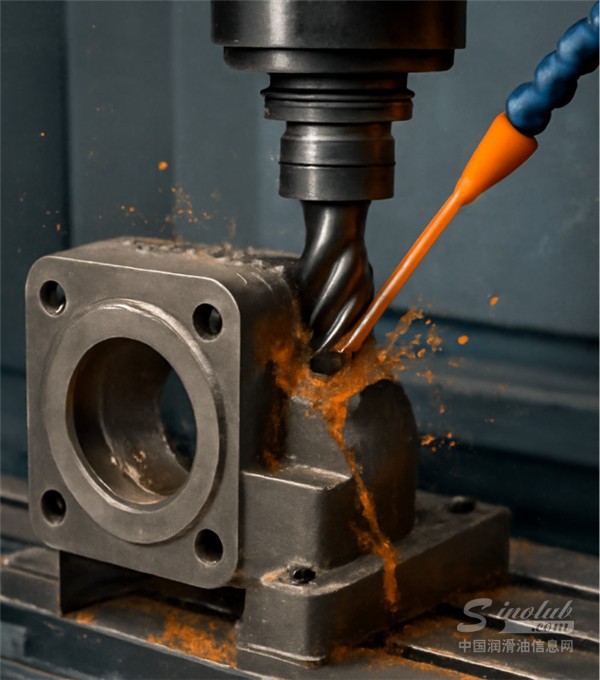
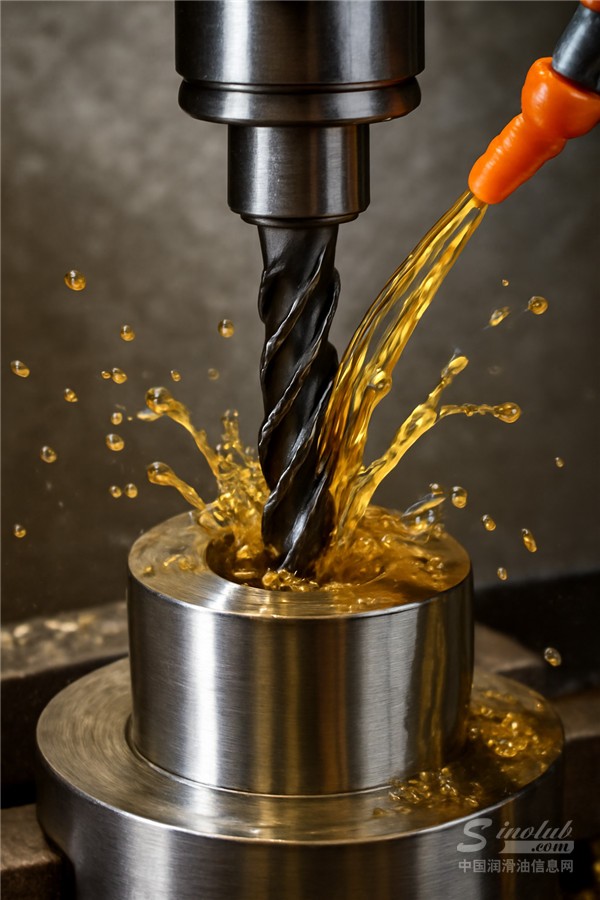
The high oil content enables emulsified oil to form a tough lubricating film on the surface of the tool and the workpiece, greatly reducing the friction coefficient. Especially when processing hard materials such as alloy steel, it can significantly improve the tool cutting efficiency and ensure high precision of the processed surface.
B. Cutting fluid: the "ceiling" of cooling capacity
With the high thermal conductivity of water, cutting fluid can quickly take away processing heat and prevent the workpiece from deforming due to high temperature. When cutting at high speed or processing heat-prone materials, it is the first choice to ensure processing accuracy.
3.Usage scenario: process requirements determine the selection direction
A. Rough machining scenarios
For example, in the cutting of heavy machinery parts, emulsified oil can reduce tool wear and extend tool life with its strong lubricity, while taking into account basic heat dissipation requirements, making it the best choice for reducing costs and increasing efficiency.
B. Finishing scenarios
In the processing of precision instruments and electronic components, the cooling performance of the cutting fluid can avoid the risk of thermal deformation, and its moderate lubricity can also meet the surface finish requirements and ensure processing accuracy.
4.Environmental protection and maintenance: key considerations for sustainable development
Cutting fluid is water-based and more environmentally friendly than emulsified oil. If the latter is not handled properly, oil substances are easy to pollute soil and water sources, and companies need to bear higher environmental protection costs.
In terms of maintenance, emulsified oil needs to be regularly supplemented with emulsifiers to maintain stability; cutting fluid needs to monitor pH value and concentration to prevent bacterial growth and equipment corrosion. Both have their own maintenance priorities.
Industry experts said that scientific selection can maximize benefits. Emulsified oil and cutting fluid are not absolutely superior or inferior. Companies need to make comprehensive decisions based on processing needs, environmental standards, and maintenance costs. Only with precise matching can we practice the concept of green manufacturing and promote sustainable development while improving production efficiency and ensuring product quality.