On June 25, 2025, as Israel and Iran reached a comprehensive ceasefire agreement, the tensions in the Middle East that had lasted for 12 days eased significantly, and international oil prices plummeted in response. As of the close of trading on June 24, the price of Brent crude oil was reported at $67.14 per barrel, down 6.1% from the previous day. WTI crude oil closed at $64.37 per barrel, down 6.0%. Both benchmark oil prices have returned to the levels before Israel's air strikes on Iran's nuclear facilities in mid-May, marking that the "geopolitical premium" that the market was previously concerned about has been completely cleared. The latest statement from the Trump administration has added more positive news to the market. It said on social media, "China can continue to buy oil from Iran. I hope they can also purchase a large amount of oil from the United States." If this policy signal is implemented, it will form a dual guarantee of "stable supply from Iran + increased imports from the United States", further stabilizing the procurement costs of lubricating oil base oil and additives.
The downward cycle of base oil prices creates cost optimization space for midstream and downstream enterprises
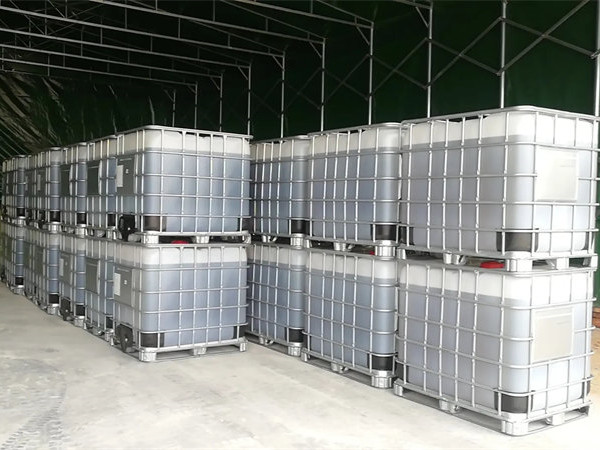
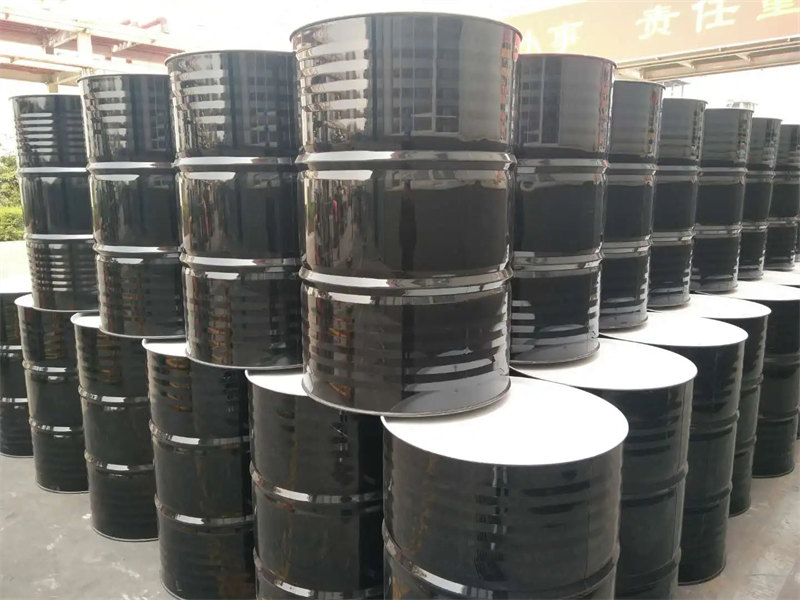
As the core raw material for lubricating oil production, the price of base oil shows a strong correlation with the crude oil market. Its recent significant decline has had a positive impact on the midstream and downstream of the industrial chain. Driven by fluctuations in crude oil prices and adjustments in market supply and demand structure, domestic base oil prices have entered a phased downward channel, and the prices of Class II base oil have approached the phased low range formed in the fourth quarter of 2023. This price correction has effectively alleviated the cost pressure on lubricant manufacturers. Especially for market entities with large annual purchase volumes, the current price level provides a strategic window for them to optimize inventory management. Industry experts point out that establishing a reasonable safety stock during the price bottoming out stage can not only lock in low-cost raw materials but also hedge against the possible price rebound risk in the future, which is conducive to stabilizing the production cost expectations of enterprises.
Technological upgrading drives the accelerated structural adjustment of the industry
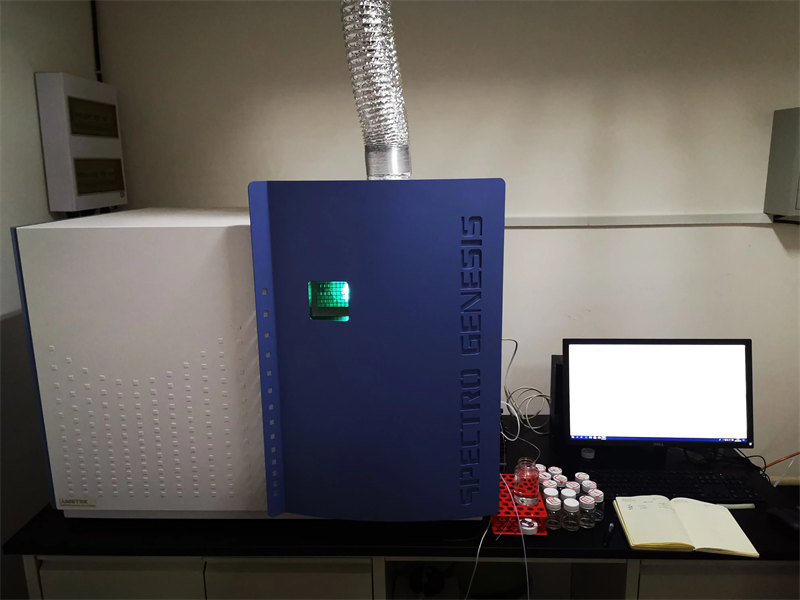
Despite the easing of raw material cost pressure, the process of technological innovation in the industry has not slowed down. Instead, it has continued to deepen under the dual impetus of market competition and the upgrading of terminal demand. With the rapid development of high-end equipment manufacturing, new energy vehicles and other fields, the market demand for high-performance lubricants has significantly increased, and the demand for products with low volatility and long service life that adapt to complex working conditions has shown a strong growth trend. Leading domestic lubricant enterprises have made breakthroughs in key technologies such as the application of nanomaterials and the optimization of additive formulas by increasing investment in research and development. The performance of their products under extreme working conditions such as high temperature and high pressure has significantly improved, gradually narrowing the technological gap with world-class brands. It is worth noting that domestic lubricant brands are accelerating their capture of the mid-to-high-end market with technological progress, promoting the transformation of the industry's competitive landscape towards a technology-driven one. This trend is particularly evident in emerging fields such as lubrication for new energy vehicles, injecting new impetus into the process of domestic substitution.
Short-term opportunities coexist with long-term challenges
Although the current golden period for procurement has arrived, the geopolitical risks in the Middle East have not been completely eliminated. Industry experts suggest that enterprises adopt a "batch warehouse building + option hedging strategy", which not only replenishes the spot inventory but also locks in the raw material costs for 6 to 12 months through forward contracts.
In the long run, the "dual carbon" goals are reshaping the market landscape of lubricants. At present, the industry as a whole shows a development trend of reduced cost pressure and accelerated technological innovation. End users can reasonably arrange their procurement plans based on the working conditions of the equipment, fully utilize the current market opportunities to optimize supply chain costs, and at the same time pay attention to the technological upgrade trends in the industry to provide more efficient lubrication guarantees for the operation of the equipment.