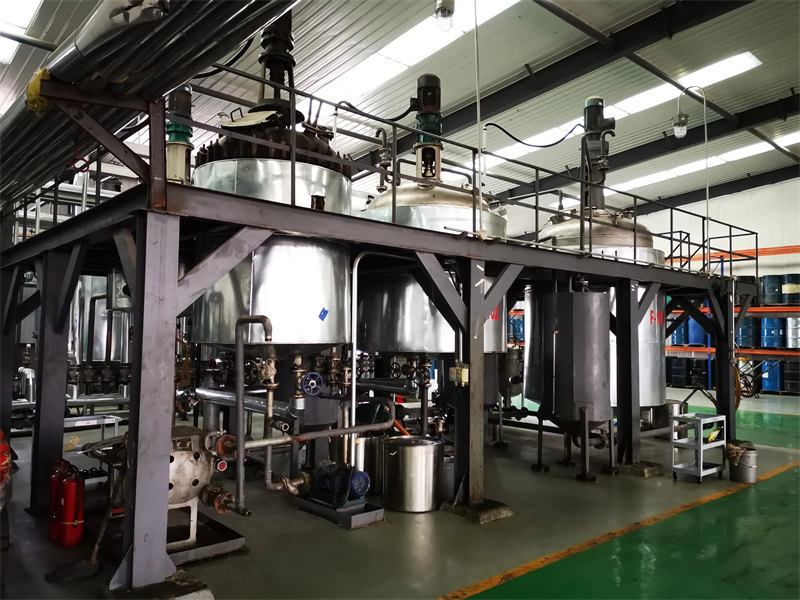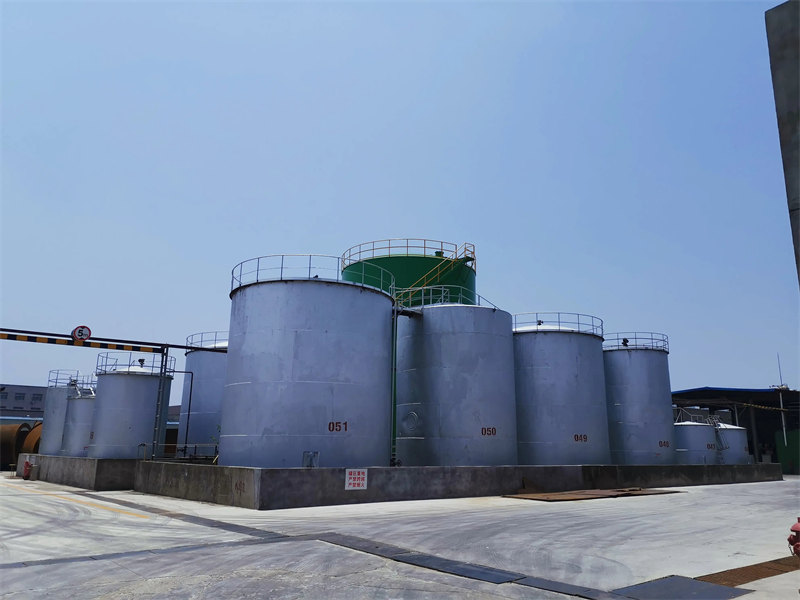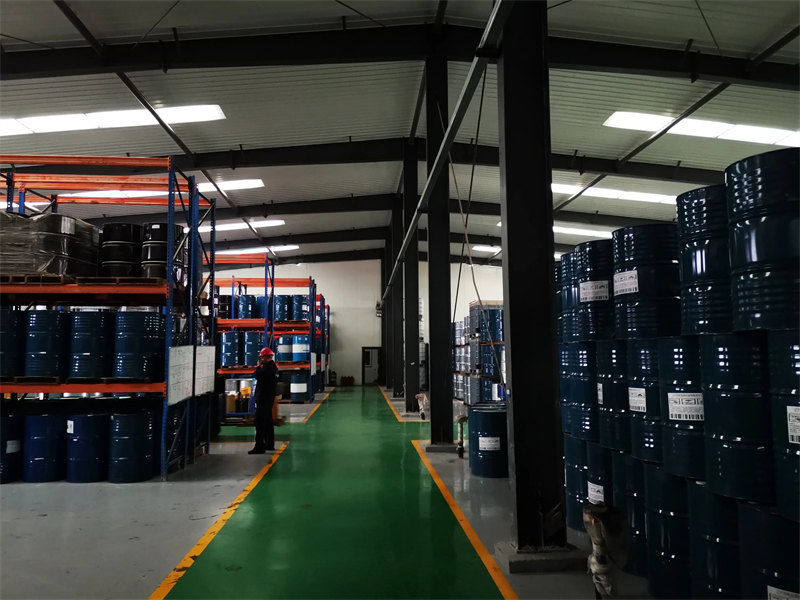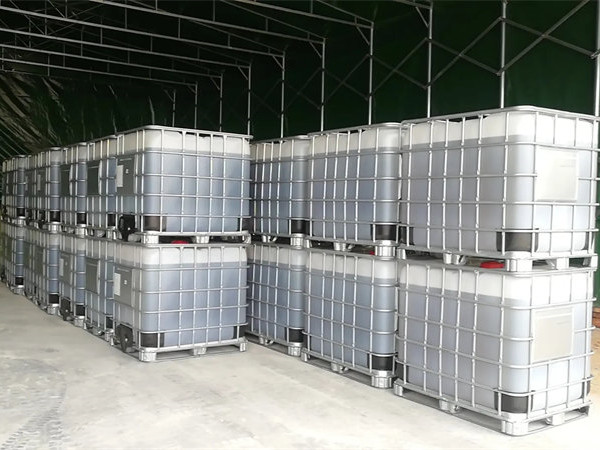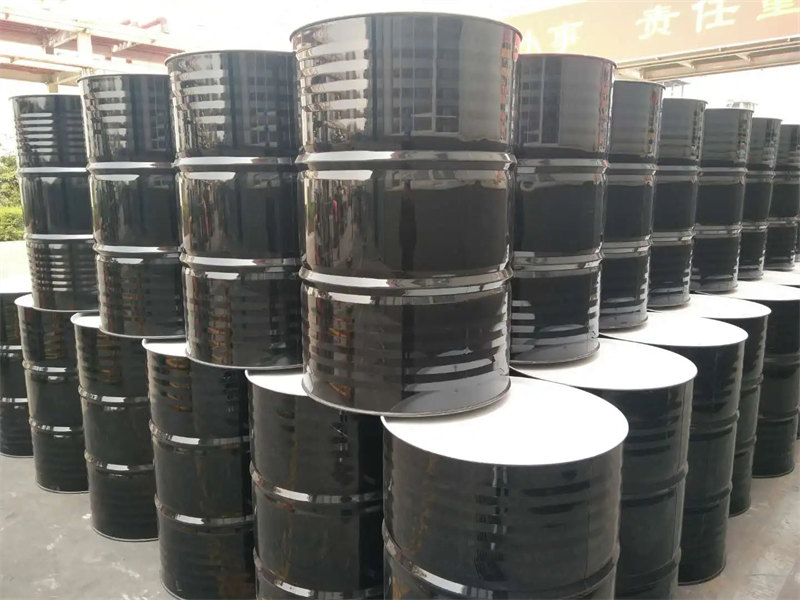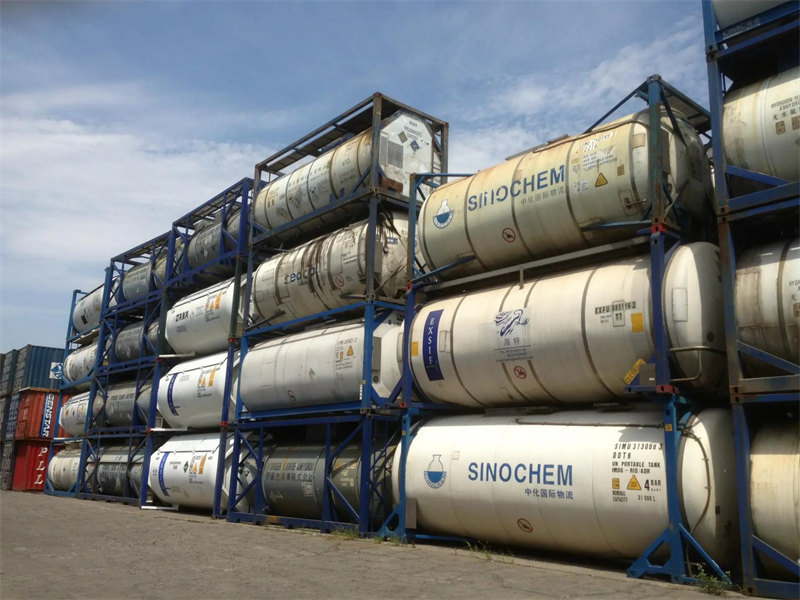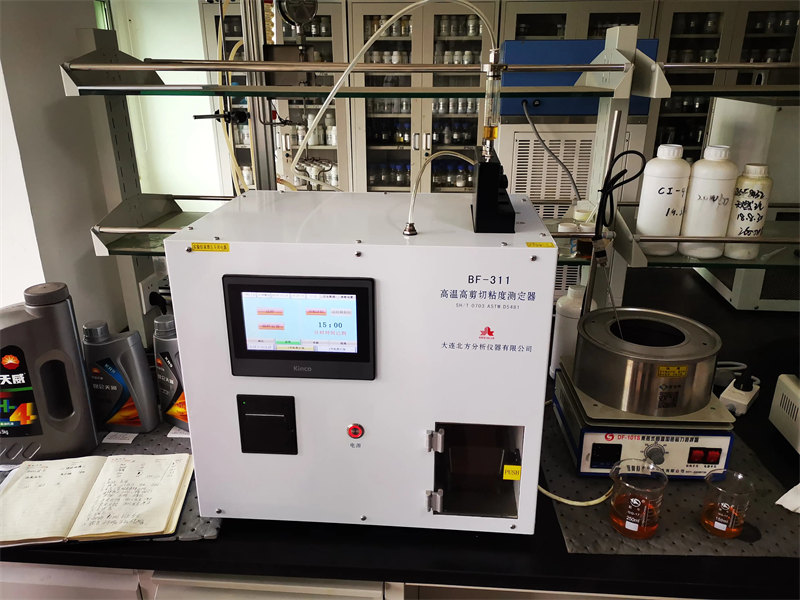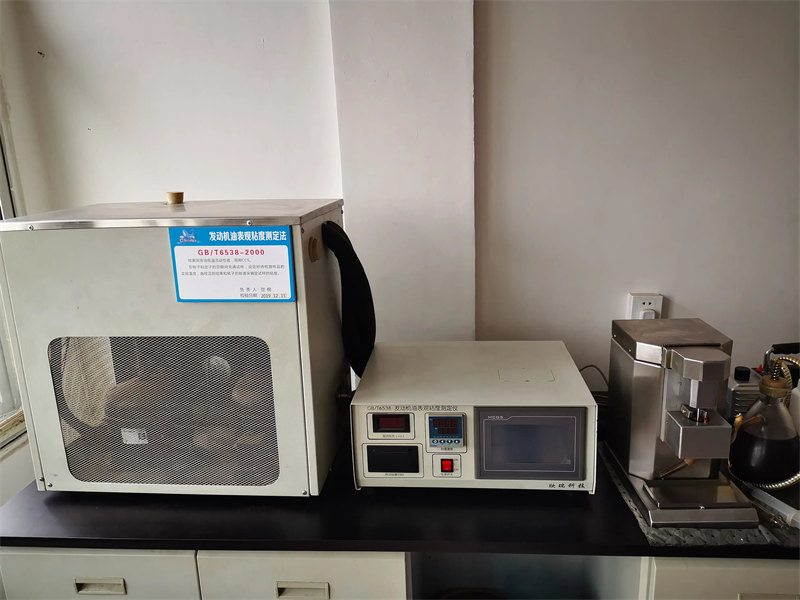
The components of lubricating oil are base oil and additives, and additives play an important role in lubricating oil. Lubricating oil additives are organic or inorganic compounds, some of which are in liquid form and can be dissolved in lubricating oil, and some are in solid form and suspended in lubricating oil.
What is the content of additives in lubricating oil | The content of additives in lubricating oil is not much. Depending on the type of lubricating oil, the content varies from 0.1% to 30% (volume ratio). Some lubricating oils contain more additives, such as the engine oil we commonly use, and some lubricating oils contain fewer additives, such as turbine oil.
The main role of lubricating oil additives | Further enhance the performance of the base oil itself, such as antioxidants, rust inhibitors, antifoaming agents, and anti-emulsifiers; make up for the deficiencies in the performance of the base oil, such as pour point depressants and viscosity index improvers; give the base oil new properties, such as extreme pressure agents (EP), dispersants, and metal passivators.
Although additives have an enhancing effect on the performance of lubricating oil, it does not mean that the more additives, the better. Why? First of all, we need to understand what the "polarity" of additives is?
Additives have polarity, which means that the additives themselves have an attraction. When other polar substances or impurities enter the lubricant, this attraction can make the additive molecules adsorb to these foreign impurities. There are many aspects of the mechanism of action of additive polarity. The most important for lubricants is to wrap impurity particles, emulsify water, and infiltrate metal surfaces.
During use, lubricant additives will also be consumed. When the additives are exhausted, they lose their function. If the lubricant is often exposed to impurities, dust, water and other polar substances, the additives will be adsorbed on the impurities, causing a lot of loss.
Excessive additives do not necessarily bring more effects, but may be counterproductive and affect the performance of the lubricant. For example, if the concentration of the added detergent dispersant is higher than the normal level, the detergent dispersant will surround the anti-wear agent or extreme pressure agent, causing the extreme pressure agent and anti-wear agent to fail to form an effective protective layer, aggravating wear.
Therefore, the more additives, the better. Maintaining a balance in the formulation of various additives is a necessary criterion for high-quality lubricants.