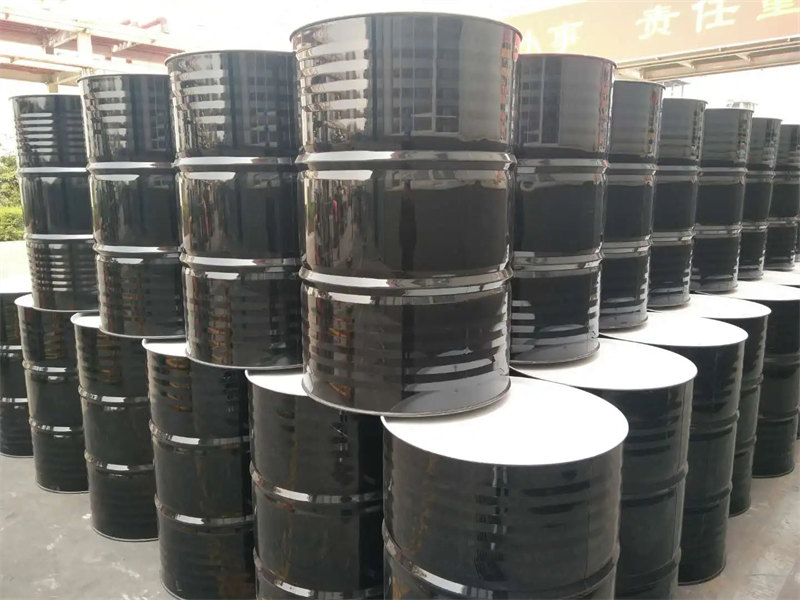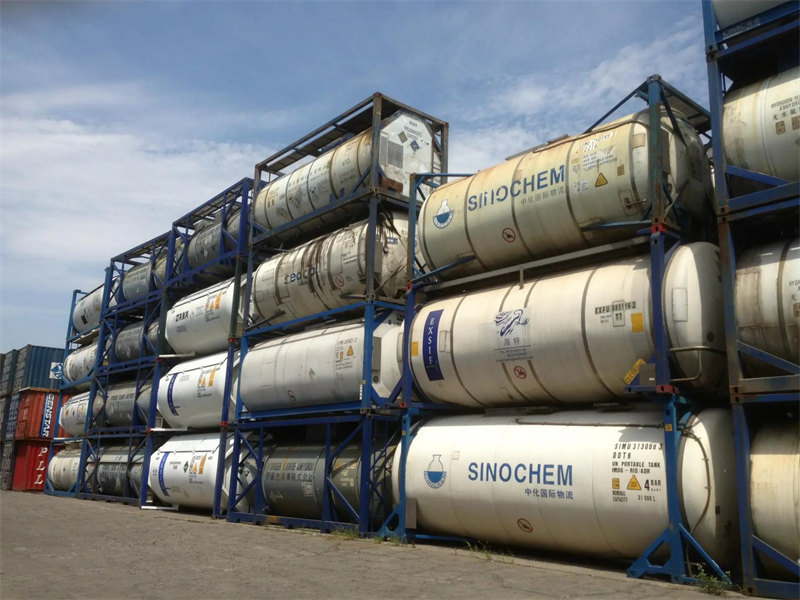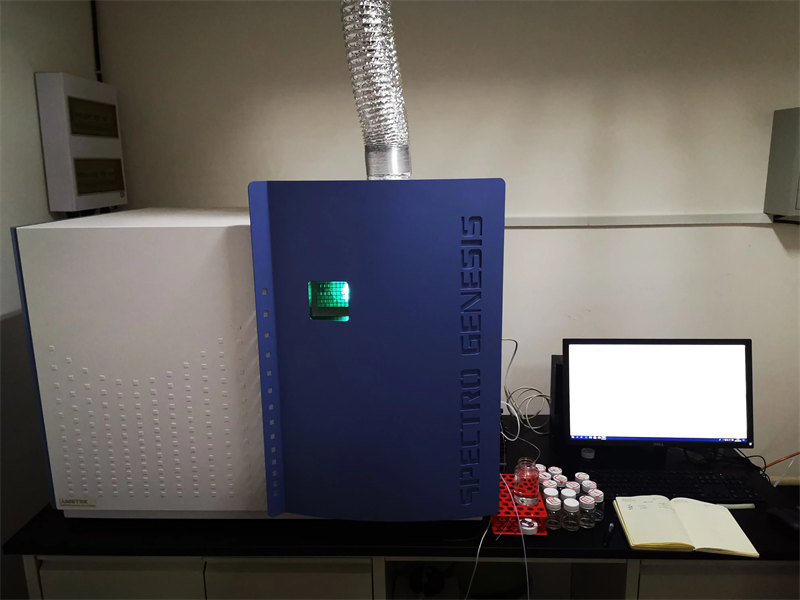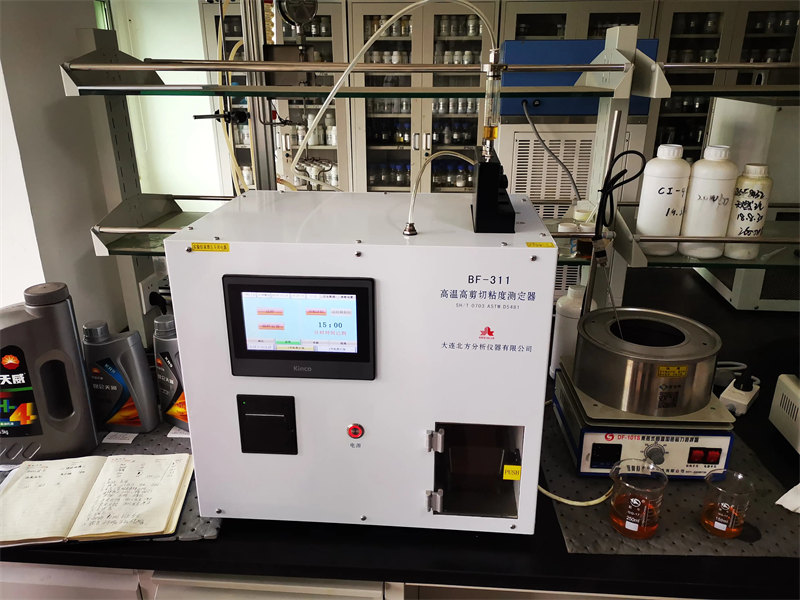
1. Hydrocarbon base oils: The King of Cost Performance \ nCharacteristics: Mineral oils (Class I/II/III) : The content of saturated hydrocarbons increases step by step, and the performance of Class III is close to that of synthetic oils. \ nPAO (Class IV) : Isomerized olefins, pour point can reach -60℃, viscosity index > 120 \ nCore advantages: • The raw materials are readily available and the cost is only one-third of that of esters. • Excellent viscosity-temperature characteristics (for example, PAO is the preferred choice for 5W-40 engine oil). Application scenarios: ▷ Automotive lubricating oil (accounting for 68% of global base oil consumption) ▷ Industrial gear oil (medium and low load conditions). Limitations: Biodegradability < 30%, with a significant tendency to form carbon deposits at high temperatures
Ii. Ester-based Base Oils: High-performance Molecular Code: Diester/polyol ester molecules contain polar ends and inherently possess an "adsorption film" characteristic performance labels: ✓ Natural lubricity (Friction coefficient 15%-20% lower than PAO) ✓ High-temperature stability (flash point up to 260 ° C) ✓ 100% biodegradability (Compliant with OECD 301B standard) Gold Application: • Aviation turbine engine oil (MIL-PRF-23699 standard) • Environmentally friendly chainsaw oil (certified by Blue Angel) • Compressor lubricating oil (solving the problem of carbonization deposition)
Iii. Ether-based Base Oils: Expert in Special Fields \ nStructural Characteristics: Represented by polyalkylene diols (PAG), the oxygen-ether bond endows unique and irreplaceable properties: \ n ▶ Miscible with water (essential for fire-fighting hydraulic fluids) \ n ▶ Natural flame resistance (passed ASTM D5306 standard test) \ n ▶ Excellent compatibility with rubber (superior to esters and PAO) \ nTypical Applications: ✓ Brake fluid (DOT4/DOT5.1 base fluid) ✓ Food-grade lubricant (NSF H1 Certified) ✓ High-temperature chain oil (for conveyor chain conditions in sintering plants)
Selection decision tree temperature dimension: -40℃ to 150℃ → PAO > 180℃ → Polyol ester Environmental protection requirements: Biodegradable → ester /PAG Cost sensitivity: Limited budget → Class III +
Industry trend: With the explosive demand for transmission fluid in electric vehicles, polyether + ester compounding technology is becoming a research and development hotspot