1. Detergent
When the engine is operated at high temperature, it will produce gelling and carbon deposition, which must be removed by the detergent in the engine oil, which is composed of metal salts.
2. Dispersant
When the engine is operated at low temperature, if it is not driven at high speed for a long time, it will produce so-called sludge. To prevent its generation, dispersant must be added to the engine oil to evenly disperse the sludge in the engine oil to prevent the sludge from being deposited on the oil filter, valve push rod, and piston ring, causing the lubricating oil path to be unsmooth and causing wear of the unlubricated parts.
3. Antioxidant
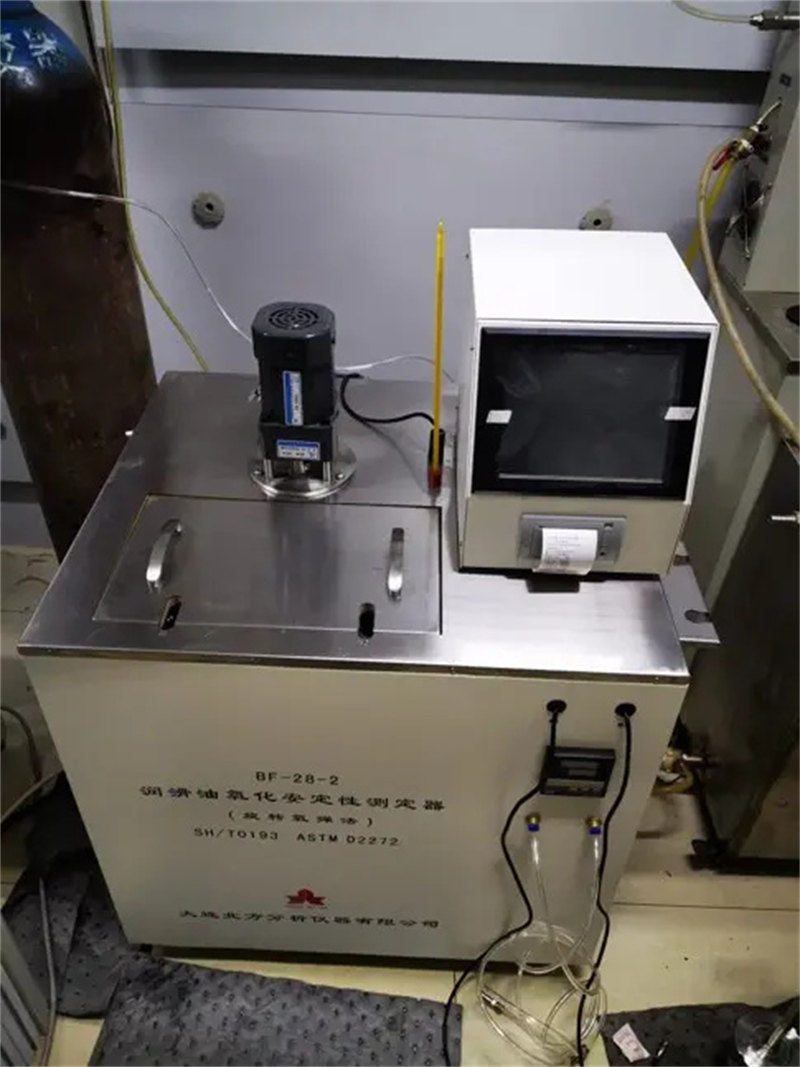
At the high temperature of the engine, the engine oil is particularly prone to oxidation reaction with air. After oxidation, the color of the engine oil will deepen and the viscosity will increase, thereby increasing the load on the oil pump and the engine. At the same time, the organic acid produced after oxidation will also corrode the engine parts. Therefore, it is very important to maintain the oxidation stability of the engine oil, especially in extremely high-temperature turbo engines.
4. Rust-proof additives
In order to prevent the metal parts of the engine from rusting, it is natural to add rust-proof agents. The ingredients of this additive all contain a polar group, which uses the polarity between molecules to adsorb on the metal surface to protect the metal from rust caused by air, moisture and salt.
5. Corrosion-resistant additives
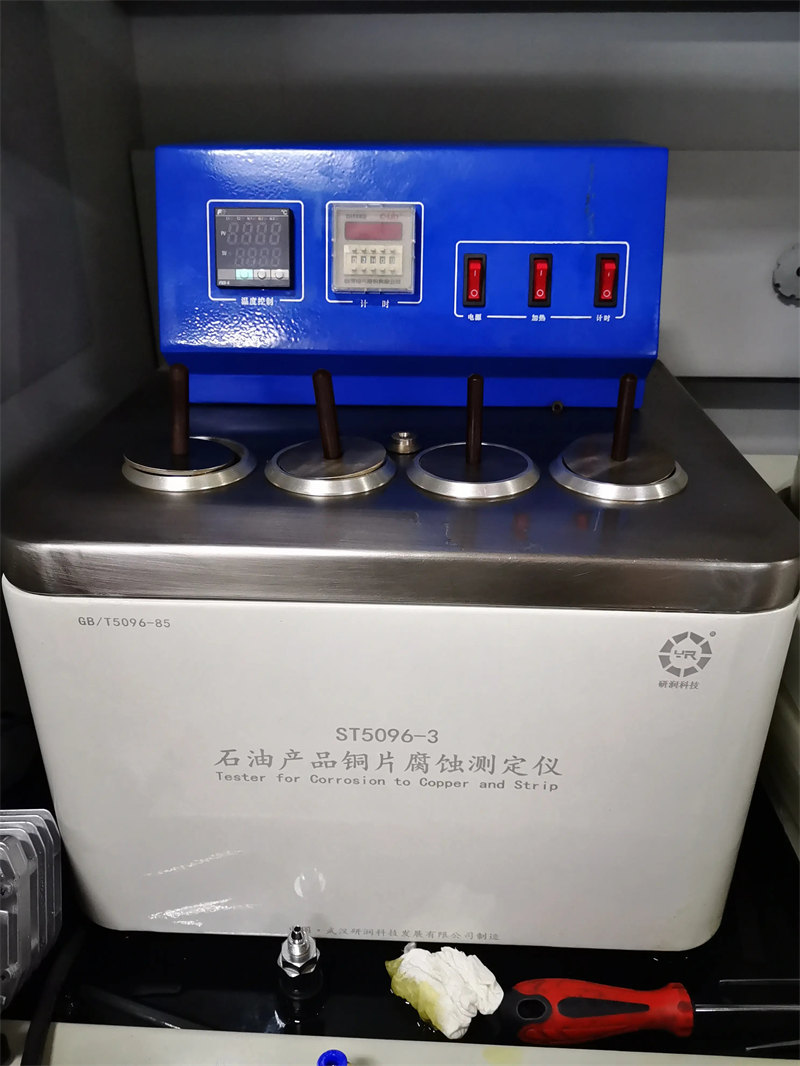
Similar to rust-proof additives, the former is used to protect iron-group metal parts, while the latter is used to protect non-ferrous metal and alloy parts from corrosion by sulfur and organic acids.
6. Viscosity index improver
Base oil is limited by the nature of crude oil. Its viscosity index can only be improved to a certain extent through the refining process. Then it must rely on viscosity index improvers. It is also because of the invention of viscosity index improvers that multi-grade viscosity engine oils are produced.
7. Flow point inhibitors
Also known as flow point depressants, the so-called flow point is to measure the temperature of a specific oil when it begins to stop flowing, which is the flow point.
There are more or less wax components in the engine oil (although the wax has been eliminated by solvents during the refining of the base oil, it still cannot reach 100%), and once these waxes become crystals and solidify at low temperatures, they will prevent the flow of the engine oil. In order to enable the engine to start smoothly in winter, inhibitors must be added to the engine oil to lower the flow point and prevent the wax from crystallizing, so as to adapt to the cold climate.
8. Anti-wear additives
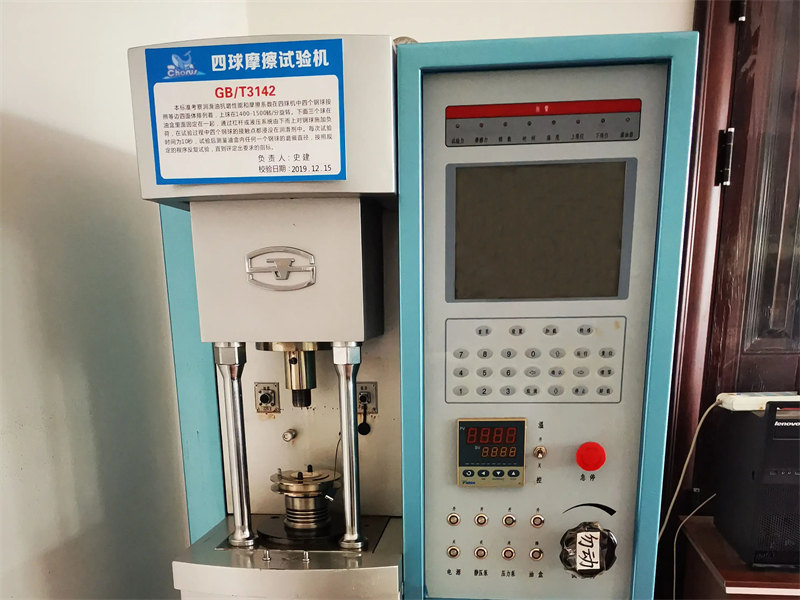
Under high temperature and high pressure conditions, the engine will have the so-called interface lubrication, that is, the metal active surface will squeeze the oil film under high thermal expansion, thus forming direct friction between metal and metal.
To prevent this from happening, anti-wear additives must be added. When this additive comes into contact with metal, it will react chemically and produce a protective film to protect the metal from wear when it comes into contact with each other.
9. Defoamer
When the engine oil is repeatedly stirred in the engine, foam will naturally be generated. Where there is foam, there is no oil film, and the engine loses protection. On the other hand, where there is foam, it also means that the contact surface with the air is increased, which also accelerates its oxidation. Therefore, defoamer needs to be added to avoid the generation of foam.
10. Dye
Its functions are twofold: one is for identification, such as the automatic transmission oil of the car is dyed red, so that it is easy to identify and repair when the oil leaks; the other is for marketing and advertising. For example, most of the two-stroke oils in Japan are dyed light blue or red. In addition to being beautiful, it can also be used to advertise that the base oil in the lubricant is highly refined and light in color, so it is possible to dye.
11. Alkaline additive
Also known as total base value enhancer, its function is to increase the dosage of alkaline substances in the lubricant. Its effect is to neutralize the acidic sulfide produced by the sulfur contained in the fuel (gasoline, diesel) after combustion to prevent the cylinder wall and piston ring from being corroded by these acidic substances.
12. Extreme pressure additives
Most of them are sulfide, chlorine or phosphorus additives, which can provide good protection for metals when interface lubrication occurs. They can prevent metal surfaces from welding, collapse, and bite marks, etc. For example, some lubricating oils or oil essences on the market often claim how much pressure they can withstand on rotating metals. Most of these rely on the function of extreme pressure additives.
13. Emulsifiers
The purpose of emulsifiers is to emulsify the water in the lubricating oil to prevent water from contacting the metal surface and causing corrosion. Commonly used emulsifiers include rapeseed oil, butter, metal soap salts, etc.
14. Moderate extreme pressure additives
Generally polar compounds they have no chemical effect on the metal surface, but one end of the molecule is attached to the metal surface and is extremely difficult to distinguish, so the load it can withstand is higher than that of pure mineral oil. It can also be called an oiliness agent.
Most of the complete extreme pressure additives are compounds containing sulfur and phosphorus chloride, which are suitable for adding to lubricating oils with high loads and high friction speeds. However, only when encountering heavy loads, the polar oil film is destroyed and high temperatures are generated.
The complete extreme pressure additives will take effect at this high temperature, thus forming compounds and forming a layer of solid lubricant between the friction surfaces to replace the already destroyed liquid oil film. Generally, extreme pressure additives have the effect of alleviating the destruction of liquid oil films, so they are also called oil film enhancers.